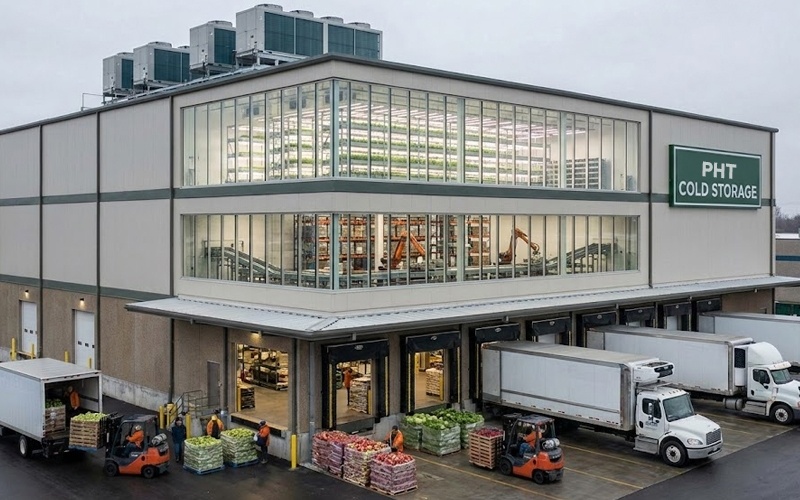
Land scarcity near major cities is pushing cold storage facilities upward. Vertical cold storage designs maximize cubic footage while minimizing land use. These taller facilities are increasingly common near urban consumption centers, reducing transportation time and...
Cold storage is increasingly viewed as a defensive investment tied to essential goods. Unlike discretionary industries, food demand remains consistent even during economic downturns. Modern, well-located facilities with efficient systems are especially attractive to...
Extreme weather events, grid instability, and ongoing supply chain disruptions have fundamentally changed the risk landscape for cold storage operators. What were once considered rare or manageable interruptions—brief power outages, seasonal storms, or short-term...
Cold storage facilities are a critical backbone of the global food supply chain. They preserve freshness, extend shelf life, and enable year-round access to perishable goods. Yet behind this essential infrastructure lies a growing challenge that threatens efficiency,...
Cold chain infrastructure has moved decisively from a specialized logistics niche into a core global investment theme. Institutional investors, private equity firms, and infrastructure-focused capital are increasingly allocating funds to cold storage assets — driven...
Cold storage facilities were once considered a niche segment of industrial real estate. Today, they sit at the center of global food security, pharmaceutical distribution, and supply chain resilience. From fresh produce and frozen foods to vaccines and biologics,...